How Professional Photography Strengthens Brand Identity
Why consistent, real photography does more for a business than generic stock images, and how to build a simple photo style guide, an image library and clear rights for your brand.

A logo and a colour palette are what most people think of as a brand identity. But for many customers, the first real impression of a business is a photograph: the product image on a marketplace listing, the team photo on the About page, the shop front on a map listing, the founder's portrait on LinkedIn.
When those photographs look as if they come from the same business, with the same light, the same kind of people and the same care, they quietly reinforce everything else the brand says. When they come from five different sources, they undo it. This article explains why that matters and how a small or growing business can build a consistent photographic identity without a large budget.
What brand identity means in a photograph
A photograph carries brand identity through a handful of repeatable choices:
- Light. Bright and airy, warm and soft, or dark and dramatic.
- Colour. Whether images lean towards the brand palette, and how saturated they are.
- People. Real staff and customers or models; formal or relaxed; posed or caught in the moment.
- Setting. Your actual premises, a studio backdrop or the places your customers use your product.
- Framing. Close details, wide context, lots of empty space or busy, full frames.
- Editing. Natural colour or a distinct, recognisable treatment.
None of these is right or wrong. A jewellery brand and a construction firm should make very different choices. What matters is that you make them deliberately, write them down and repeat them.
Why real photographs beat generic stock
Stock photography has its uses, but generic images of smiling models in an office do little for a brand. Usability research by the Nielsen Norman Group found that people tend to ignore images that are purely decorative, such as stock photos of generic people, while paying close attention to images that carry real information, such as photographs of actual products and of real staff. In one of their examples, users spent noticeably more time looking at real employee portraits on a team page than reading the biographies beside them.
The lesson for a business is simple: photographs of your real products, people and place are not decoration. They are content that customers use to decide whether to trust you.
Build a one-page photo style guide
You do not need a hundred-page brand book. A single page, shared with every photographer, designer and staff member who takes pictures for the business, is enough to keep things consistent.
- Three to six reference images that show the look you want
- A few words on light and mood (for example, "natural daylight, warm, uncluttered")
- Colour notes: backgrounds, props and clothing that suit the palette
- People: who appears, how they dress, how they are directed
- Framing rules for each use (square for social, wide for website banners)
- Editing notes, or a shared preset if your editors use one
- Things to avoid, such as heavy filters, cluttered backgrounds or competitor products
- File naming and where finished images are stored
Review the guide once a year, or whenever your products, premises or audience change significantly.
Plan a core image library
Rather than commissioning photographs one campaign at a time, plan a library that covers the main ways the business presents itself. One well-planned shoot can supply months of material.
| Category | Examples | Where it is used |
|---|---|---|
| People | Founder and team portraits, people at work | About page, LinkedIn, press |
| Place | Shop front, office, factory, studio | Website, map listings, recruitment |
| Product | Clean product shots, details, scale | Catalogues, marketplaces, ads |
| Process | How things are made, served or delivered | Social media, case studies |
| Customers | Products in real use, with permission | Website, social media, proposals |
For practical planning, see our guides to planning a corporate photoshoot and e-commerce product photography.
Make the photographs work where customers see them
Good photography only helps if it is presented properly on each platform.
On your website. Google's image guidance for site owners recommends descriptive file names, accurate alt text that describes the image in context, high-quality images placed near relevant text, and balancing quality against page speed. A file named "chennai-showroom-front.jpg" with an honest description is more useful to both visitors and search engines than "IMG0042.jpg".
On map and business listings. Google's guidelines for Business Profile photos ask that images be in focus, well lit and an accurate representation of the business, without heavy editing or filters. A clear, current photograph of your premises helps customers recognise you when they arrive.
On social media. Consistency matters most here because people see many images in a row. The style guide is what makes a grid look like one brand. Our article on visual storytelling in digital marketing covers how to sequence images into stories.
Get the rights and permissions right
Two practical points often get missed.
Ownership of commissioned photographs. Under section 17 of India's Copyright Act, 1957, when a photograph is taken for valuable consideration at the instance of a person, that person is the first owner of copyright unless there is an agreement to the contrary. Photography contracts often include such an agreement, keeping copyright with the photographer and licensing the client for particular uses. Read the contract, and make sure the licence covers every way you plan to use the images, including advertising, packaging and future campaigns.
People in the photographs. Get written permission from staff and customers who appear in marketing images, and agree what happens if someone leaves the company or withdraws consent. It is much easier to collect permission on the day of the shoot than months later.
Keeping it consistent over time
Brand photography drifts slowly. A new staff member takes product photos on a phone, a new agency uses a different editing style, and within a year the website looks patched together. A few habits prevent this:
- Keep finished images in one shared, well-organised library with clear folder names.
- Brief every new photographer or agency with the style guide and a few reference images.
- Schedule a refresh shoot when the team, premises or product range changes, rather than mixing old and new.
- Remove outdated photographs promptly, especially of people who have left.
Professional photography is not about expensive images. It is about images that are recognisably yours. If you are planning brand or corporate photography, you can read about our photography services and marketing services, or contact us with questions.
Sources and further reading
- Photos as Web Content (opens in a new tab)Nielsen Norman Group
- Google image SEO best practices (opens in a new tab)Google Search Central
- Manage your Business Profile photos & videos (opens in a new tab)Google Business Profile Help
- The Copyright Act, 1957 (as amended), section 17 (opens in a new tab)World Intellectual Property Organization (WIPO Lex)
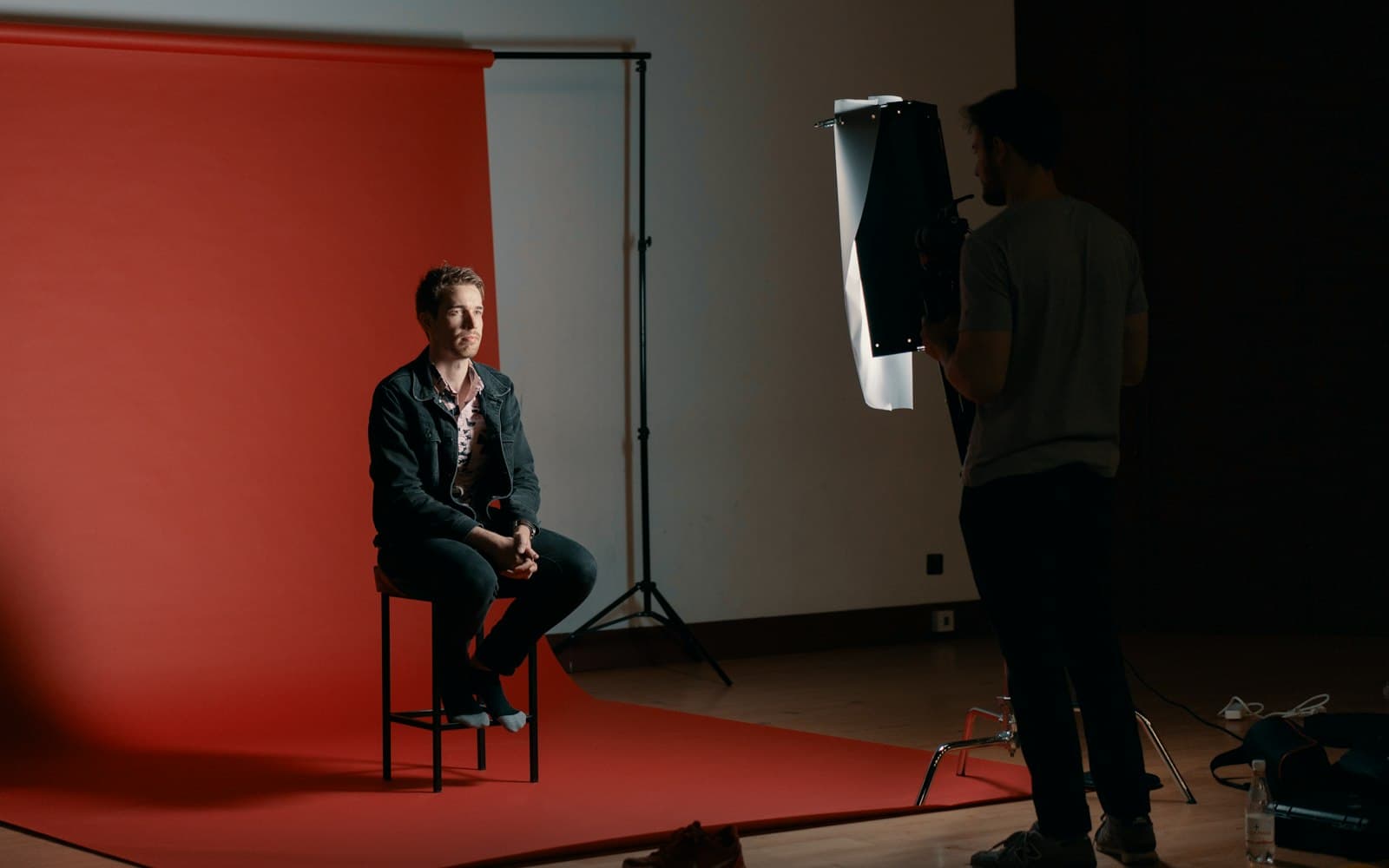
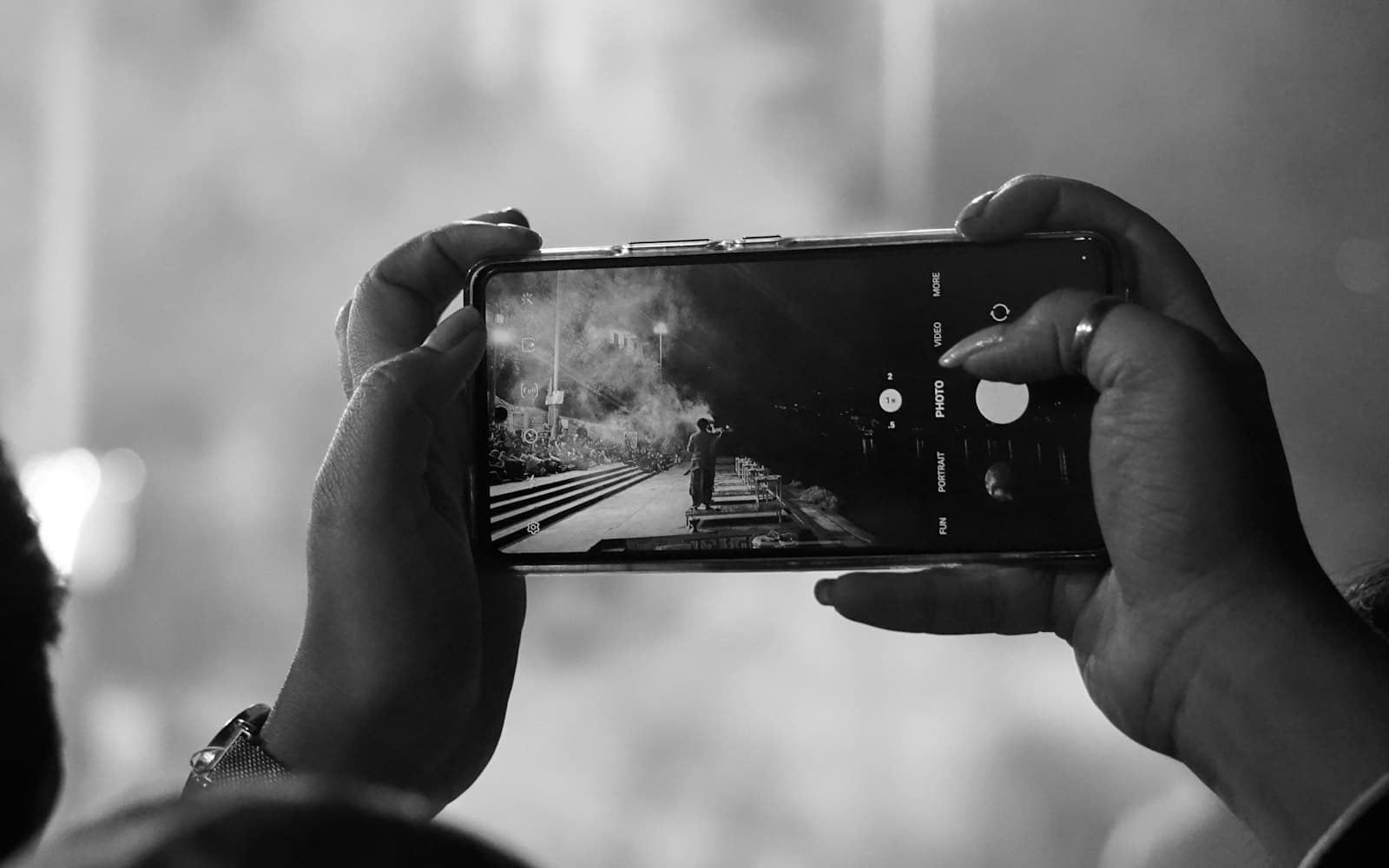
Published by FliqaIndia Private Limited for general information. Photographs are illustrative and are not FliqaIndia projects or clients.
Back to all insights