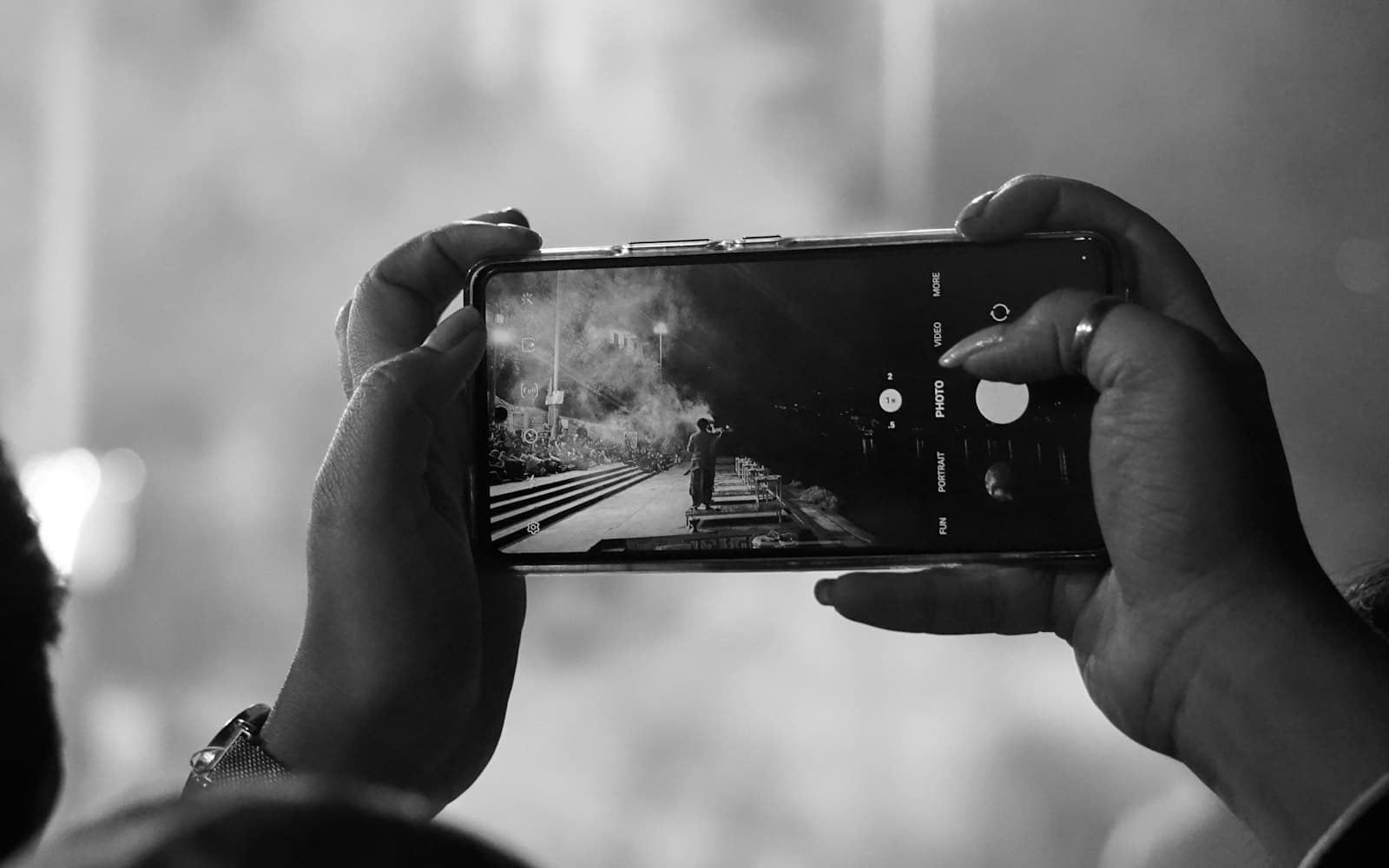
How Creative Professionals Can Build a Strong Portfolio
A practical guide for photographers, designers, filmmakers and editors: choosing who the portfolio is for, editing hard, writing honest case studies, clearing rights and making the work easy to find.
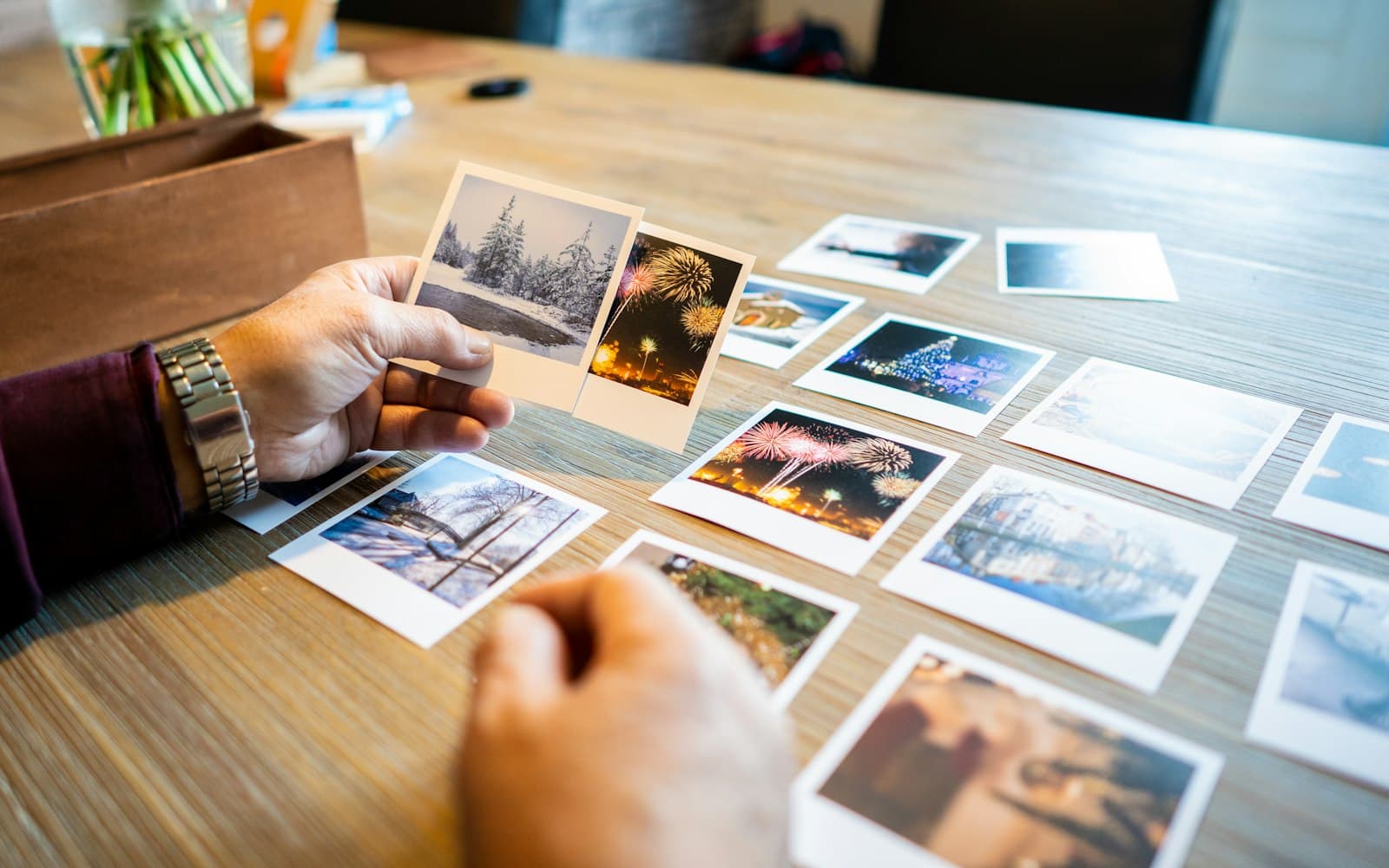
A portfolio is not an archive of everything you have made. It is an argument: a short, deliberate case that you are the right person for a particular kind of work. Clients, agencies and collaborators usually decide quickly, and they decide on what they see first.
This guide is for photographers, videographers, designers, editors and other creative professionals in India who want a portfolio that wins the work they actually want. It covers selection, presentation, case studies, rights and permissions, and the practical side of putting work online.
Start with who it is for
The most common portfolio problem is trying to impress everyone. A wedding photographer who also shows product shots, concert photos and street photography leaves a couple wondering what they are booking. A designer who shows logos, packaging, UI and illustration in equal measure makes a hiring manager guess.
Before choosing a single image, write two sentences:
- Who do I want to hire me? For example, "couples planning multi-day weddings in eastern India" or "D2C brands that need packaging and launch visuals".
- What should they believe after looking? For example, "this person handles crowded, low-light ceremonies calmly and makes families look natural".
If you genuinely serve two different markets, consider two separate portfolios or clearly separated sections, rather than one mixed gallery.
Edit harder than feels comfortable
Selection is where most of the quality of a portfolio comes from. A tight set of strong work reads as confidence; a long scroll with a few weak pieces reads as uncertainty, because viewers tend to judge you by the weakest thing you chose to show.
Practical editing rules:
- Cut anything you need to explain. If an image only works with a story about how difficult the conditions were, it probably does not belong.
- Remove near-duplicates. Three similar portraits from one session say less than one.
- Show consistency. A client wants to know what they will receive on an ordinary day, not on your single best day.
- Lead with your strongest, most relevant piece, and end strongly too.
- Ask someone else. A trusted peer who is not attached to the work will cut faster than you.
For photographers, sequence matters as much as selection. Think in terms of rhythm: wide and close, quiet and busy, people and details. For Indian weddings, a set that moves through rituals such as haldi, mehendi, the baraat and the pheras can show that you understand how a day unfolds, though customs differ across communities and you should show the ones you actually cover.
Show the work in context with case studies
Beautiful images alone do not tell a client how you work. Two or three short case studies often persuade better than twenty more images. A useful structure:
| Part | What to include |
|---|---|
| The brief | What the client needed, in one or two sentences |
| Constraints | Budget, timeline, location, light, brand rules |
| Your role | What you did yourself and what others did |
| The approach | Two or three key decisions and why |
| The result | What was delivered, and any outcome you can verify |
Be scrupulous about honesty. Credit the team, including second shooters, retouchers, stylists and art directors. Do not claim results you cannot support, and do not present a personal project as a client commission. If you include an outcome, such as a campaign launch or a client's feedback, make sure you have permission to share it.
Clear the rights before you publish
This is the part many creative professionals skip, and it can cause real problems.
Check who owns the work. Under section 17 of India's Copyright Act, 1957, the author is normally the first owner of copyright. However, for a photograph, painting, portrait, engraving or cinematograph film made for valuable consideration at the instance of another person, that person is the first owner unless there is an agreement to the contrary. Work made in the course of employment usually belongs to the employer, again unless agreed otherwise. Section 19 requires any assignment of copyright to be in writing and signed. The practical lesson: your contracts should say clearly whether you keep copyright or at least the right to show the work in your portfolio.
Respect confidentiality. Brand work under a non-disclosure agreement, unreleased products and internal documents may not be shown at all, or only after launch.
Consider the people in the images. Photographs of identifiable people are personal data. India's Digital Personal Data Protection Act, 2023 is built on principles such as consent, purpose limitation and data minimisation, and the Press Information Bureau's backgrounder notes that it calls for verifiable parental consent where a child's personal data is involved. Even beyond the law, asking clients whether you may publish their images, and respecting a "no", builds trust. Be especially careful with images of children, intimate family moments and religious rituals.
Choose where the portfolio lives
There are three common formats, and most professionals use more than one.
| Format | Strengths | Limitations |
|---|---|---|
| Your own website | Full control, your own domain, can be found through search | Needs upkeep and some technical effort |
| Portfolio and social platforms | Built-in audience, easy to update | Algorithm and platform rules control visibility; you do not own the page |
| PDF or private link | Tailored to one client or pitch | Not discoverable; must be sent each time |
A sensible pattern is to treat your own website as the home of your best, curated work, use social platforms to show ongoing activity and point people back to the site, and prepare a tailored PDF or private selection for important pitches.
Make it findable, fast and accessible
A portfolio that loads slowly on a phone, or that search engines cannot understand, is wasted effort. Google Search Central's guidance on images is a good practical checklist:
- Write descriptive alt text for each image, explaining what it shows in context, without stuffing keywords.
- Use descriptive file names, such as "kolkata-wedding-sindoor-daan.jpg" rather than "IMG_4821.jpg".
- Place images near relevant text, such as a project title and short description, because search engines use surrounding text to understand images.
- Use sharp images, but optimise file sizes so pages load quickly.
- Use standard image elements rather than CSS background images for work you want indexed.
Alt text is not only for search. The W3C's Web Accessibility Initiative explains that text alternatives let people who use screen readers understand images, and recommends that informative images carry a short description of their essential content, while purely decorative images get an empty alternative. A portfolio that is accessible reaches more people, including clients and collaborators who rely on assistive technology.
Google's guidance on helpful content also asks whether a page shows first-hand experience and adds something original. For a portfolio, that is exactly what case studies, process notes and honest credits provide.
Keep it alive
A portfolio is never finished. Build a light routine:
- After each significant project, save your top selects and case study notes into a "portfolio candidates" folder.
- Every quarter, review the portfolio. Replace the weakest piece if something stronger exists.
- Every year, ask whether the portfolio still matches the work you want. If your market has shifted, your portfolio should too.
If you shoot or edit professionally, the way you manage files makes this much easier. Our guide on essential tools for running a photography business covers catalogues, backup and delivery, and how professional photography strengthens brand identity looks at the client side of visual work.
Common mistakes to avoid
- Showing everything instead of the best and most relevant
- Mixing unrelated specialisms without clear sections
- Publishing client work without checking rights or consent
- Uncredited collaborators or vague descriptions of your role
- Heavy, slow pages that frustrate mobile visitors
- Missing contact details, or a contact form that nobody checks
- An "updated" portfolio that has not changed in years
Portfolio checklist
- I have written down who the portfolio is for
- Every piece is relevant to that audience
- No near-duplicates or pieces that need excuses
- Two or three honest case studies with credits
- Rights and client permissions confirmed for every piece
- Extra care taken with images of children and private moments
- Descriptive file names and alt text on every image
- Pages tested on a phone over a mobile connection
- Clear contact details and a way to enquire
- A date in the calendar for the next review
For photographers, filmmakers, editors and studios who want to work with the FliqaIndia group, Fliqa Partner is the partner network where applications are made, and a focused, honest portfolio is the natural place to start. For questions about how the group works with creative professionals, see the FAQ.
Sources and further reading
- Google image SEO best practices (opens in a new tab)Google Search Central
- Images Tutorial (opens in a new tab)W3C Web Accessibility Initiative
- The Copyright Act, 1957: Chapter IV (Ownership of copyright and the rights of the owner) (opens in a new tab)Copyright Office, Government of India
- DPDP Rules, 2025 Notified: A Citizen-Centric Framework for Privacy Protection and Responsible Data Use (opens in a new tab)Press Information Bureau, Government of India
- Creating helpful, reliable, people-first content (opens in a new tab)Google Search Central
Published by FliqaIndia Private Limited for general information. Photographs are illustrative and are not FliqaIndia projects or clients.
Back to all insights