Travel Photography Tips for Capturing Meaningful Experiences
Practical travel photography advice for India and beyond: plan the story, pack light, work with the light, photograph people respectfully, follow monument and drone rules, and keep your photos safe.
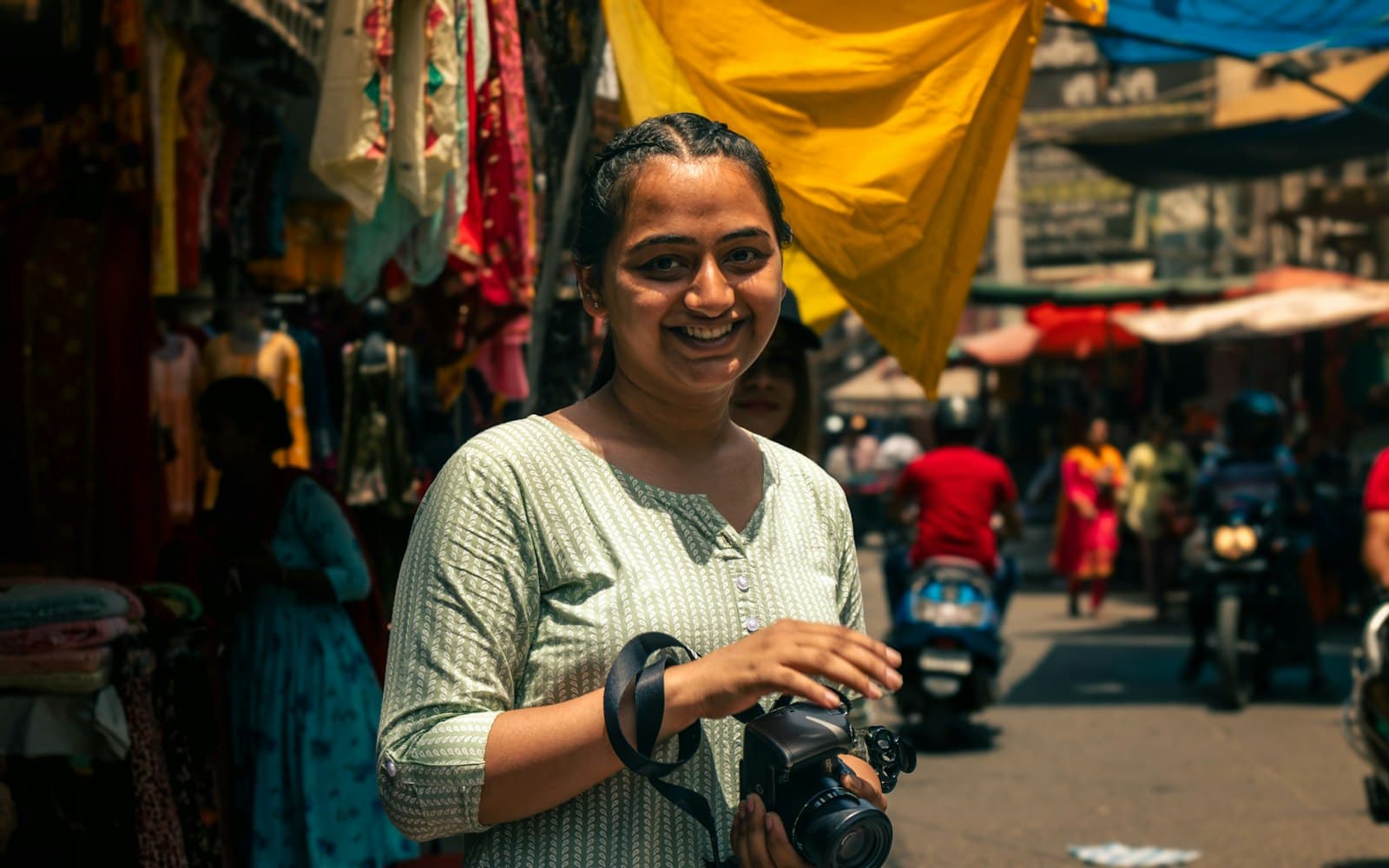
Most travel photos are taken from the same spot as everyone else's, at the same time of day, and say little about the trip. The photos people keep returning to years later are different: the chai seller who laughed at a joke, the view from a homestay window in the rain, the hands of a weaver at work. They record an experience, not just a location.
This guide is for travellers who want better photographs, with a phone or a camera, and for photographers planning their first serious trips. It covers planning, kit, light, composition, photographing people with respect, the rules at monuments and for drones in India, and how to keep your images safe on the road.
Decide what story you want to tell
Before you pack, think about what the trip is about. A family holiday in Kerala, a solo trek in Himachal, a food trip through Old Delhi and a honeymoon in Bali call for different photographs.
Write down three to five things you want to remember. They might be the people you travel with, the food, the architecture, the landscape or a festival. This short list helps you choose kit, plan days and, most of all, look for moments instead of photographing everything.
Research before you go
A little research turns luck into planning.
- Light and weather. Find sunrise and sunset times and the season's weather. Monsoon light can be beautiful but brings rain-proofing concerns; summer in the plains brings harsh midday light.
- Locations. Look at existing photos of a place to understand it, then look for a different angle: a rooftop, a side street, a viewpoint at a different time.
- Events. Local festivals, markets and fairs give a place life, but they can also mean crowds and restrictions. Check dates and local customs.
- Rules. Monuments, places of worship, museums, airports and border areas may restrict photography. Look up the official rules, as described below, before you arrive.
A location app or a simple saved-places list on your map helps you group spots by area and plan routes around the best light.
Pack light and pack smart
The best camera on a trip is the one you carry all day. Heavy bags get left in the hotel.
| Approach | Good for | Trade-offs |
|---|---|---|
| Phone only | Casual trips, street, food, low profile | Weaker in low light and at long distances |
| Compact or travel-zoom camera | Families, all-round use, long zoom | Smaller sensor than larger cameras |
| One body with one or two lenses | Dedicated photographers | Weight, cost and more attention from security and officials |
Whatever you choose, the small things matter: spare batteries, spare memory cards, a charger and power bank, a microfibre cloth, a rain cover or a plastic bag, and a way to back up your files every night.
Work with the light
Light shapes a photograph more than any setting.
- Early morning and late afternoon give soft, warm, directional light that flatters faces and buildings. Many places are also quieter early.
- Harsh midday sun creates hard shadows. Use it for strong graphic images, or move into shade, covered markets, courtyards and interiors where photography is allowed.
- Blue hour after sunset suits city lights, lit monuments and street scenes; a steady surface or a small tabletop support helps where tripods are not permitted.
- Overcast days are ideal for portraits, forests, waterfalls and colourful markets, because shadows are soft.
Composition beyond the landmark
Once you have the classic view, look for images that tell the rest of the story.
- Add people for scale and life. A small figure on a ghat or a mountain path shows size and mood.
- Use layers. Something in the foreground, the subject in the middle, context behind.
- Look for details. Doorways, textiles, hands, food, signage, tickets and shoes at a temple entrance often say more than the wide shot.
- Photograph the journey. Train windows, bus stops, roadside dhabas and airport waits are part of the trip.
- Return to the same place. A scene at dawn, at noon and at night can make a short sequence.
Photographing people respectfully
People make travel photographs memorable, and they deserve respect. The person in your photograph is not scenery.
- Ask first when you can. A smile, a gesture towards the camera and a nod are often enough. If someone says no or turns away, accept it and move on.
- Show them the photo. Many people enjoy seeing the result, and it turns a transaction into a conversation. Offer to send it if they would like it.
- Be careful with children. Ask a parent or guardian, and think twice before sharing identifiable images of children online.
- Respect places of worship and ceremonies. Rules vary widely between temples, mosques, gurdwaras, churches and monasteries, and even between parts of the same site. Follow posted signs and the guidance of staff or priests, and never photograph rituals, funerals or private moments without clear permission.
- Avoid exploiting hardship. Photographs of poverty, illness or distress taken without consent can strip people of dignity. Ask yourself whether you would be comfortable being photographed that way.
- Think before you share. A photo that is harmless in your album can expose someone when posted publicly with a location tag. Remove or avoid location details for private homes and sensitive places.
Rules at monuments and for drones in India
Rules change and vary by site, so treat the summary below as a starting point and check official sources and on-site signs before you shoot.
Archaeological Survey of India (ASI) monuments. ASI's published FAQ says visitors may photograph protected monuments, but may not bring in a camera stand, extra lights or similar equipment without written permission from an archaeological officer. Filming requires a licence from the Director-General, while non-commercial video taken from outside a monument is allowed if it involves no cast and no stand. In July 2018 the ASI issued an order allowing photography within the premises of centrally protected monuments and sites, with three exceptions named at the time: the Ajanta Caves, Leh Palace and the mausoleum of the Taj Mahal. Individual sites may also post their own restrictions.
Drones. Drones are governed by the Drone Rules, 2021. The Ministry of Civil Aviation states that India's drone airspace map, published on the DigitalSky platform, divides airspace into red, yellow and green zones, and that no permission is needed to fly in green zones. Red-zone operations need permission from the Central Government, and drone registration, remote pilot certificates and airspace permissions are applied for online through the DGCA's eGCA platform. Check the current airspace map before every flight, and remember that a monument, nature reserve or private property may have its own rules about drones.
Some border and sensitive areas in India also require special permits to enter, and photography of military installations, airports and certain infrastructure can be restricted. Confirm current requirements with the relevant state or central government authority before you go.
Back up, edit and share well
Losing a trip's photographs to a stolen phone or a corrupted card is entirely avoidable.
- Back up every night. Copy files to a second device, a portable drive or cloud storage when you have a reliable connection. Keep the copies in different bags.
- Rotate memory cards rather than filling one large card for the whole trip.
- Cull on the road. Spend ten minutes each evening starring your favourites. It is much easier than facing thousands of files at home.
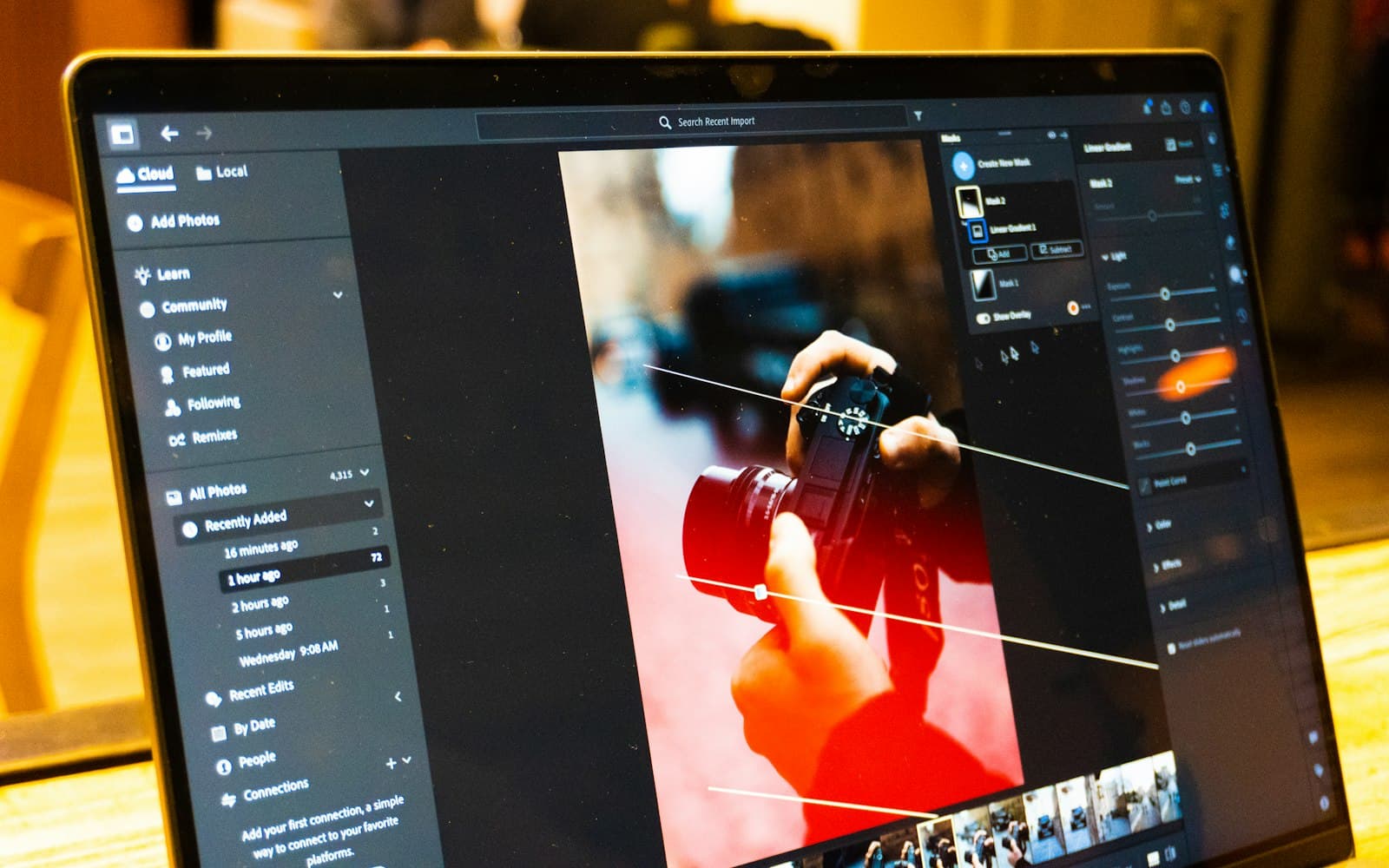
- Edit consistently. A light, consistent edit across a trip makes the set feel like one story.
- Caption while you remember. Note names, places and small stories in a notes app or in the photo captions.
When you are home, a well-organised, captioned selection is far more enjoyable to share than a full camera roll. Our guide on organising and sharing wedding and event photos covers folder structures and sharing methods that work just as well for travel.
Travel photography checklist
- Three to five things the trip's photographs should capture
- Sunrise, sunset and weather checked for each location
- Official photography and drone rules checked for planned sites
- Spare batteries, memory cards, charger and rain protection packed
- Nightly backup method ready
- A habit of asking before photographing people
- Location tags removed for private homes and sensitive places before sharing
- Evening routine to cull, caption and back up
Keep exploring
Good travel photography is mostly about attention: to light, to people, to the small details that make a place itself. If your travel work is becoming more serious, our guide to building a strong creative portfolio explains how to present it. For finding and saving shoot locations, Fliqa Spot is the group's Android app for discovering photography spots and planning shoots, and the FliqaIndia travel services page covers trip planning.
Sources and further reading
- Frequently Asked Questions (opens in a new tab)Archaeological Survey of India
- ASI issues order to permit photography within the premises of centrally protected monuments/sites (opens in a new tab)Press Information Bureau, Ministry of Culture
- Skill Development & Information Technology Divisions (drone airspace map and DigitalSky) (opens in a new tab)Ministry of Civil Aviation
Published by FliqaIndia Private Limited for general information. Photographs are illustrative and are not FliqaIndia projects or clients.
Back to all insights